
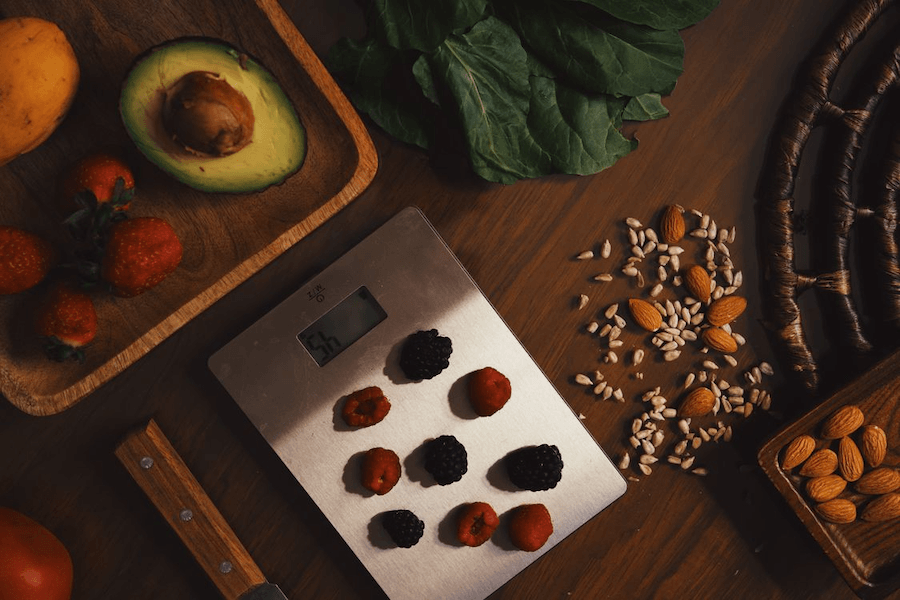
Do you ever feel like you lose control around food?
This experience is often misunderstood. Many people assume it comes down to willpower, but research shows it is closely linked to eating habits, restriction, and mental health patterns.
Understanding what drives this cycle is the first step toward changing it.
What Feeling Out of Control Around Food Actually Means
This can look like:
- Eating past fullness
- Feeling unable to stop eating
- Feeling disconnected during meals
- Thinking about food constantly
- Experiencing guilt after eating
- Feeling ‘addicted’ to food
These patterns are common in people struggling with their relationship with food.
Why This Pattern Develops
1. Skipping meals earlier in the day
When you go long periods without eating, your body responds with increased hunger — with or without an appetite present.
This can lead to eating a larger amount of food later, which may feel like loss of control.
2. Trying to lose weight through restriction
Efforts to lose weight often involve limiting food intake or caloric deficits.
A large body of research shows that restriction increases cravings, intensifies preoccupation with food, and can lead to cycles of overeating.
3. Labeling foods as “good” or “bad”
When certain foods feel off-limits, they often become more appealing.
This can lead to louder cravings, stronger urges, and more intense eating episodes.
4. Stress and emotional pressure
Food can become a way to cope with stress, whether through a sense of numbing and escape, or control and reward.
When mental health is under strain, eating behaviors often shift.
Why Willpower Does Not Fix the Problem
A significant body of research — far less promoted than that of diet trends — shows that restricting food increases the likelihood of overeating later.
This is not about discipline. It is a biological and psychological hunger response.
Trying to tighten control often makes the cycle stronger. With more rules come more opportunities to break them and feel like a failure.
Many people have already tried rigidity or “willpower,” when the answer may actually be letting go.
What Helps Restore Balance
Shifting your approach to food can reduce these patterns.
- Eat consistently throughout the day
- Avoid long gaps between meals
- Allow flexibility in food choices
- Practice honouring your cravings
- Pay attention to hunger and fullness cues
Working with a registered dietitian can help you rebuild eating habits in a sustainable way.
Final Thoughts
Feeling out of control around food is not a personal failure.
It is a response to patterns that can be changed with the right support.